Wednesday, 23 September 2026
Leading GP and Health Advocate Backs Victorian Men’s Shed Program
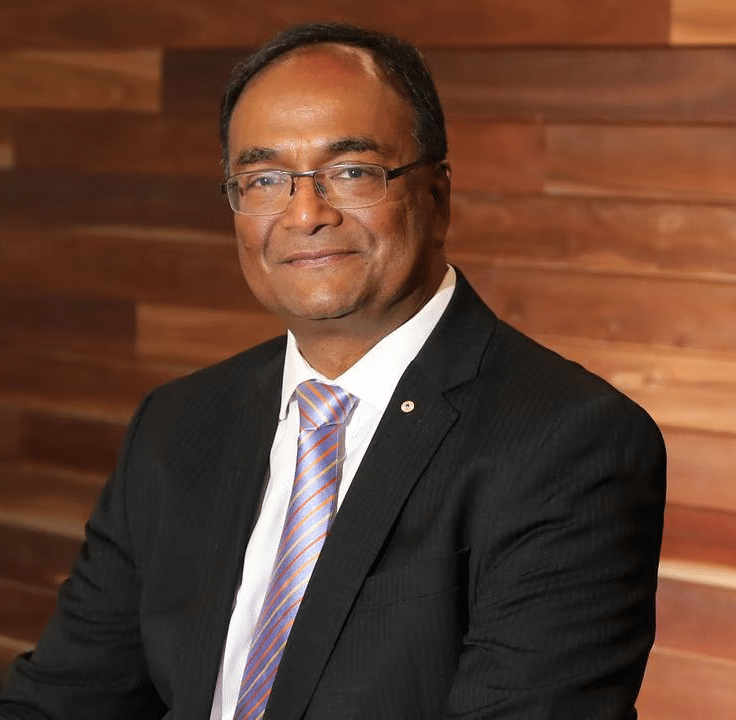
The Victorian Men’s Shed Association has received a strong endorsement from Dr Mukesh Haikerwal AC, a General Medical Practitioner with a distinguished record in mental health advocacy, who has praised the program’s impact on men’s health and community wellbeing.
Dr Haikerwal, a former Board member of Beyond Blue and current Board Member and acting CEO of Brain Injury Australia, reviewed a report evaluating the contribution of Men’s Sheds to Victoria and its accompanying infographic. His response, shared in a letter dated 17 September 2026, offers a compelling clinical and community perspective on why the program matters.
A Safe Space That Meets a Fundamental Need
In his letter, Dr Haikerwal highlighted how the report underscores the need for spaces where men can gather safely, connect with one another, and share experience, skills, and camaraderie. He described these opportunities for community and connection as intrinsic to a healthy society, yet increasingly hard to come by without dedicated programs like the Men’s Shed.
Central to his endorsement is the link between social connection and health outcomes. Dr Harkiwall pointed to the way access to such facilities reduces isolation, breaking the cycle in which loneliness can drive a decline in both physical and mental health. For a GP who has spent his career at the intersection of medicine and mental health advocacy, this connection between community and wellbeing is well established, and the Men’s Shed model, in his view, delivers on it in a tangible way.
More Than a Shed: Purpose, Skill and Self-Worth
Dr Haikerwal’s letter also spoke to the deeper psychological value of the program. He noted that positive action, self-extension, and the chance to nurture and learn from others are qualities the Men’s Sheds foster, and that these experiences build participants’ sense of self-worth while affirming their capabilities.
It’s this combination of practical skill-sharing alongside genuine emotional and social support that Dr Haikerwal sees as the program’s real strength.
A Modest Investment, A Significant Return
Beyond the personal benefits to participants, Dr Haikerwal was clear eyed about the broader value proposition. He noted that the relatively modest investment required to sustain the volunteer driven program yields substantial returns in participant health and wellbeing, while helping to avoid the downstream social and healthcare costs that can arise when men are left isolated, vulnerable, and exposed to harmful influences.
This point resonates strongly with public health thinking: prevention and early social support are often far more cost effective than addressing the consequences of isolation after the fact.
“A Shining Example”
Summing up his assessment, Dr Haikerwal called the program a shining example of community activity, social cohesion and volunteerism, and expressed his hope that it continues to grow and thrive.
His endorsement adds a valuable clinical voice to the growing body of evidence supporting Men’s Sheds across Victoria, reinforcing what many participants and organisers have long understood from lived experience: that a shed, a shared project, and a welcoming community can have a profound effect on men’s health and connection.